
Key points
- Foreigners can own a condominium unit outright
- Villas with land are bought via a long-term land lease, the house is owned
- Money for a condo must arrive from abroad in foreign currency
In short: what you can and cannot do
- You can: own a condo unit freehold within the building's 49% foreign quota.
- You can: own a villa or house with the land under it leased for 30 years.
- You cannot: own land in a foreigner's name.
- You cannot: use nominee Thai shareholders in a company; such structures are illegal.
- Buying property does not give you a visa: that is a separate process.
A condo unit: freehold ownership
The Condominium Act lets foreigners own units as long as their combined area stays within 49% of the total unit area in the building. That is the foreign quota. Once it is used up, new units can only be leased, not owned, by foreigners.
Check the quota before reserving. In popular beachside buildings and central Bangkok it runs out quickly, and developers sometimes sell more units to foreigners than the quota allows, planning to resell to Thais. Ask for written confirmation that your unit will be registered under the foreign quota.
The second condition: the purchase money must arrive from abroad in foreign currency. The bank issues a Foreign Exchange Transaction form (FET) or a confirmation letter, and the Land Office will not register the purchase under the quota without it. More in How to pay for property in Thailand from abroad.

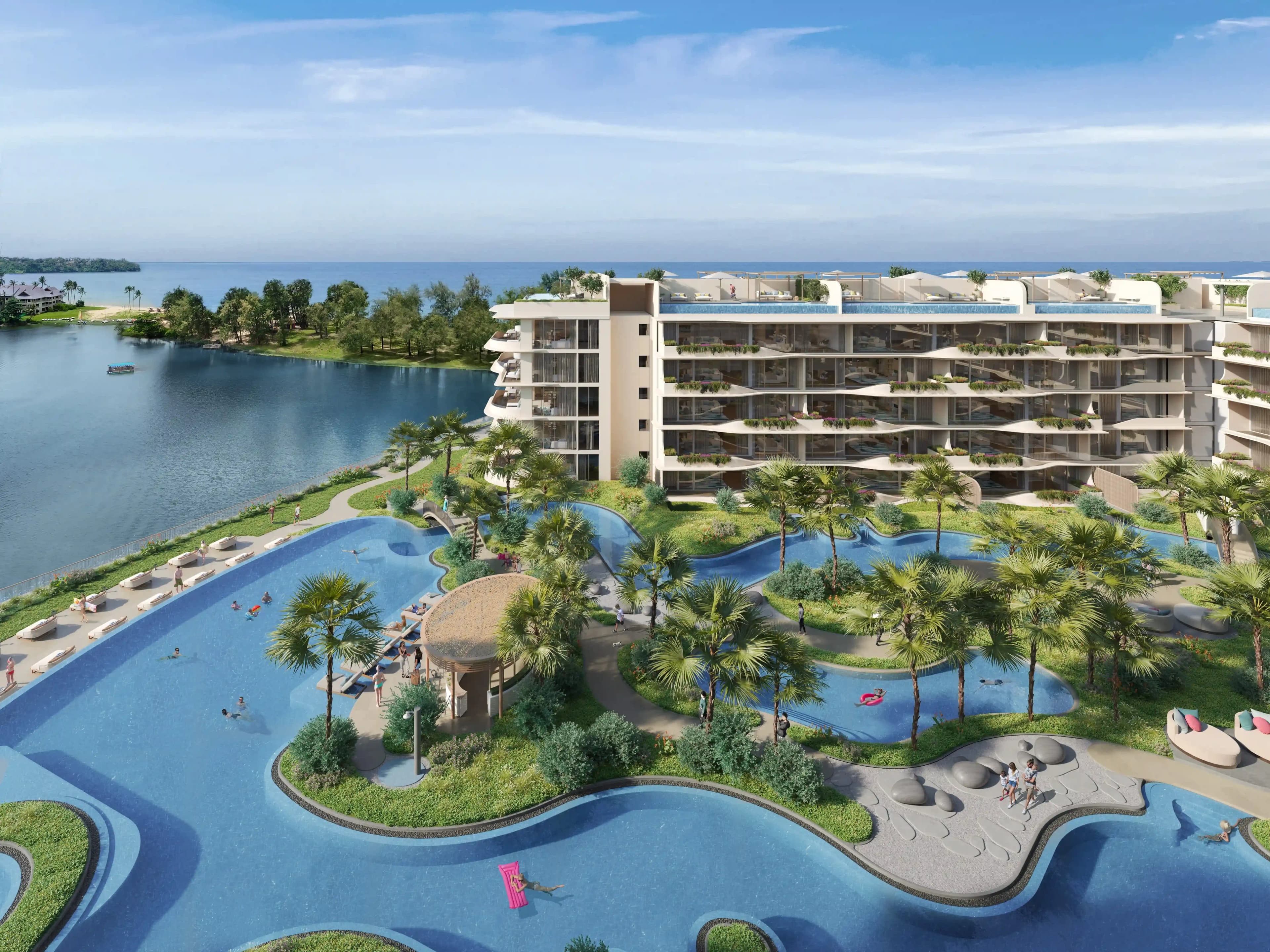
Photo: The Title Heritage Bang-Tao, Bang Tao, Phuket
A villa or house: leased land
Foreigners cannot own land. The standard villa structure is a 30-year leasehold on the land with the house owned by the buyer. The lease is registered at the Land Office and noted on the title deed, so it survives a sale of the plot.
The law caps a single lease term at 30 years. Renewals promised by developers (30+30+30) are written into the contract as the landlord's obligation but are not guaranteed by law. The more detail the contract gives on renewals, lease transfer on resale and heirs' rights, the safer the deal. See our article Leasehold or freehold for details.
Structures using a Thai company with nominee Thai shareholders are illegal. If you are offered a "freehold villa through a company", have a lawyer check who really owns the shares and where the Thai shareholders' money came from.
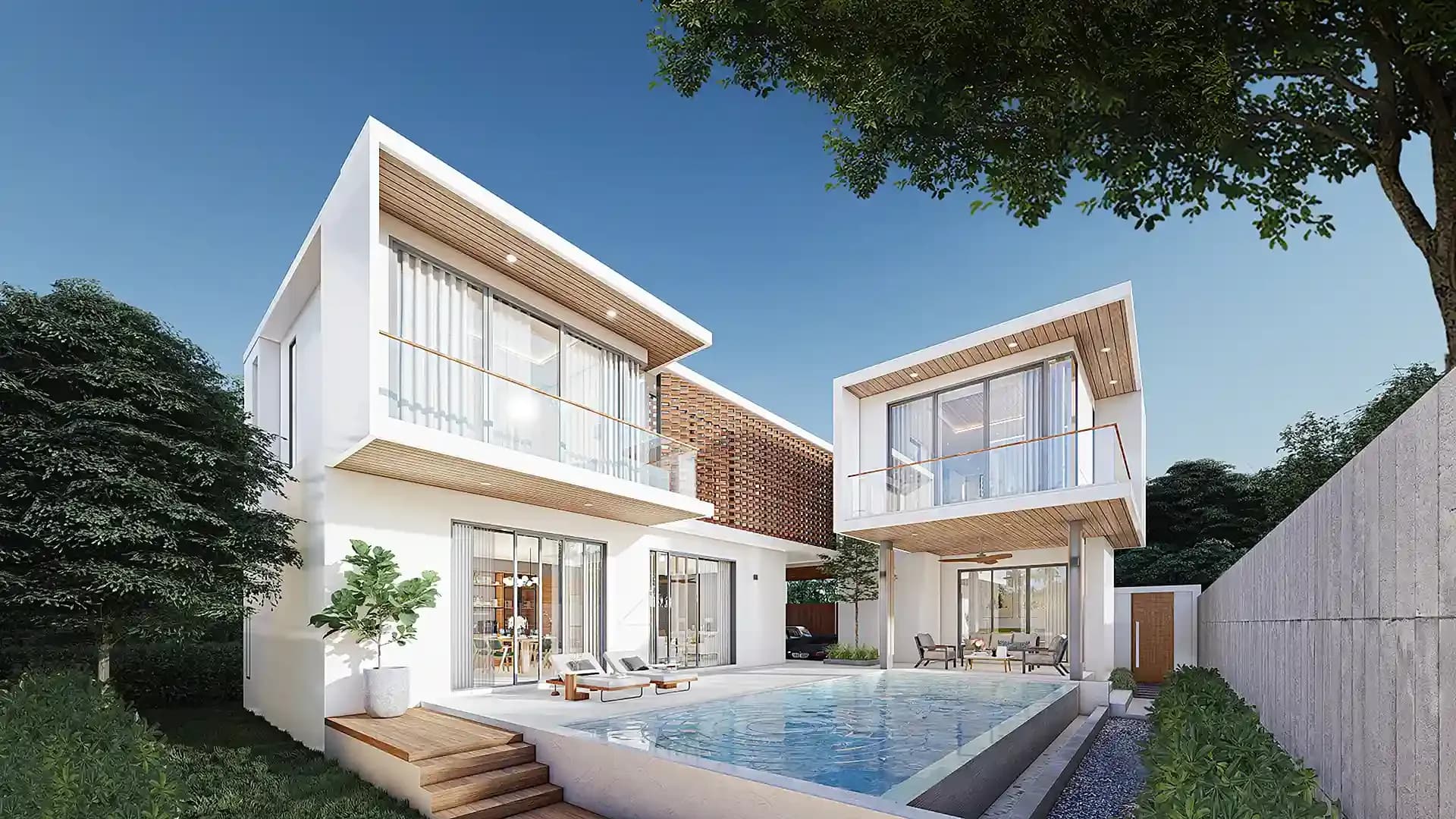
Photo: The Teak Phuket, Bang Tao, Phuket
Step by step
1. Goal and budget
First decide why you are buying: to live, to rent out or to resell. The goal shapes the area, format and budget. Small units in tourist areas suit nightly rentals, villas or large condos near schools suit families, and launch-stage projects suit resale. Our project catalogue rates every project on location, reliability and returns.
2. Reservation
The developer takes the unit off the market for 7–30 days against a deposit, usually 50,000 to 300,000 baht. Read the reservation terms: whether the deposit is refundable if due diligence finds problems, and the deadline to sign the contract.
3. Due diligence
Before signing, check the land title and encumbrances, the building permit, the environmental approval (EIA, where the project needs one), the developer's track record and free foreign quota. More in How to check a developer and What is an EIA.
4. Contract
Condo sales must follow a standard contract form by law, and terms worse for the buyer than that form have no effect. Check the exact unit number and area, payment schedule, completion date, late-completion penalty, handover procedure and what is included in the price: furniture, appliances, sinking fund.
5. Payments
Instalments follow the construction schedule. Send every transfer from abroad in foreign currency with a payment purpose and the unit number, and keep the bank documents. You will need them at registration and later when you sell.
6. Handover and registration
Before handover, inspect the unit against a defects list: walls, plumbing, windows, electrics and air conditioning. The developer fixes them before you sign off. Ownership is registered at the Land Office, where transfer fees are paid, and you receive the unit's title deed.
How long it takes
- A completed unit: two to six weeks, mostly for the money transfer and the Land Office appointment.
- An off-plan unit: one to three years to handover, paid in instalments.
- A villa on leased land: lease registration and handover usually take a few weeks after full payment.
Costs to plan for
- Purchase taxes and fees: a buyer of a new condo usually pays about 1% of the price. Details in Taxes and fees when buying.
- One-off building charges: the sinking fund and prepaid maintenance.
- A lawyer: from a few tens of thousands of baht depending on the scope.
- Furniture, if the unit is handed over unfurnished.
- Annual running costs. Details in Cost of owning a condo or villa.

Photo: So Origin Bangtao Beach, Bang Tao, Phuket
Common buyer mistakes
- Reserving without checking the foreign quota.
- Sending baht or paying from someone else's account.
- Buying a villa "freehold through a company" without checking the structure.
- A contract without a late-completion penalty or refund terms.
- Calculating returns from the developer's brochure without costs or seasonality.
Buying remotely
You can buy without travelling to Thailand: the contract is signed remotely, payments come from abroad, and a representative acts for you at the Land Office under a power of attorney. View the unit by video and have a lawyer check the documents first.
Insight Estate shortlists projects, checks documents and handles the deal through to the keys, free for buyers. Tell us what you need and we will send 3–5 options with numbers for each.
Frequently asked questions
Can a foreigner own a condo in Thailand?
Yes, if the building's 49% foreign quota is not used up and the money comes from abroad in foreign currency.
Can a foreigner buy land in Thailand?
No. Land under a villa is leased for 30 years, while the house itself can be owned.
Do I need a lawyer?
It is strongly advisable. A lawyer checks the land documents and the contract before you pay, which costs far less than a potential loss.
Can I buy remotely?
Yes: the contract is signed remotely and a representative handles registration under a power of attorney.
Does buying property give me a visa?
No, visas are separate. Options in Visa options for property owners.
For general information only, not legal advice. Sources: ThaiLawOnline: the 49% quota, ThaiLawOnline: off-plan condos, PropertyScout: FET.
Updated


