Key points
- Buying property does not give a visa by itself
- Owners use Thailand Privilege, LTR, DTV or a retirement visa
- The choice depends on age, income and work
Thailand Privilege (formerly Elite)
A paid programme for 5–20 years with no income or age requirements. Tiers in 2026:
- Bronze: 650,000 baht, 5 years;
- Gold: 900,000 baht, 5 years;
- Platinum: 1.5 million baht, 10 years;
- Diamond: 2.5 million baht, 15 years;
- Reserve: 5 million baht, 20+ years, by invitation.
It does not allow work or give tax benefits. Staying more than 180 days a year makes you a Thai tax resident.
LTR: a 10-year visa
- Wealthy Global Citizen: assets of $1 million or more and $500,000 invested in Thailand, which can include property.
- Wealthy Pensioner: age 50+, passive income of $80,000 a year, or $40,000 plus $250,000 invested in Thailand.
Health insurance or proven funds are required. The visa is for 5 years, renewable for another 5.

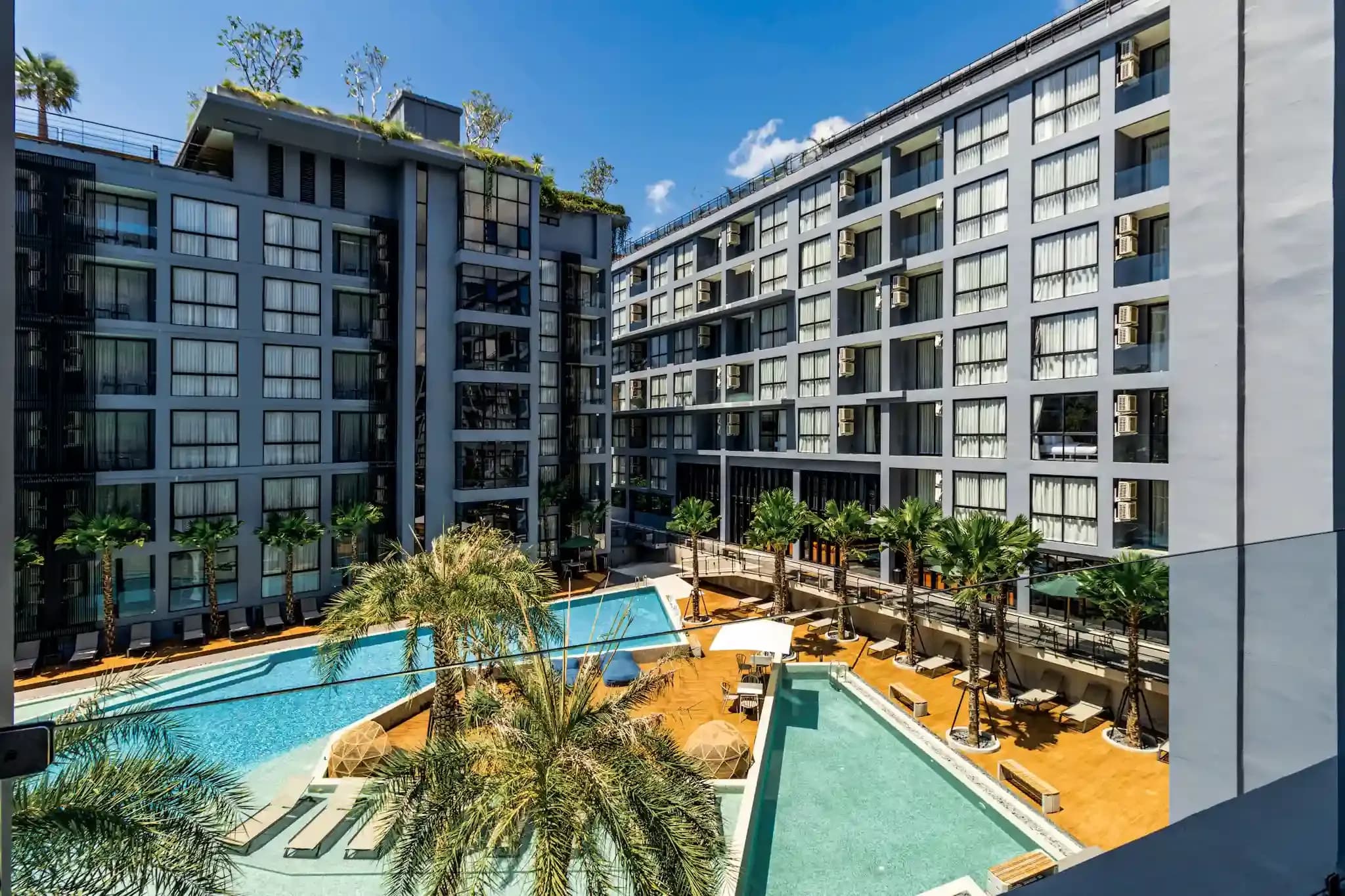
Photo: Mida Grande Resort Condominiums, Surin, Phuket
DTV: for remote workers
A 5-year visa with stays of up to 180 days per entry. It requires 500,000 baht in the bank and proof of remote work or another qualifying purpose. You cannot work for Thai companies.
Retirement visa
For people aged 50 and over. It usually requires an 800,000 baht deposit in a Thai bank or a monthly income of at least 65,000 baht, and for some types health insurance too.
What suits a homeowner
- You want to come for long stays with little paperwork: Thailand Privilege.
- You have capital and income: LTR, especially if property counts toward the investment.
- You work remotely: DTV.
- You are 50 or older: the retirement visa.
Programme terms change, so check official sites and the consulate before applying. We can point you to visa specialists and find a home that fits your plan.
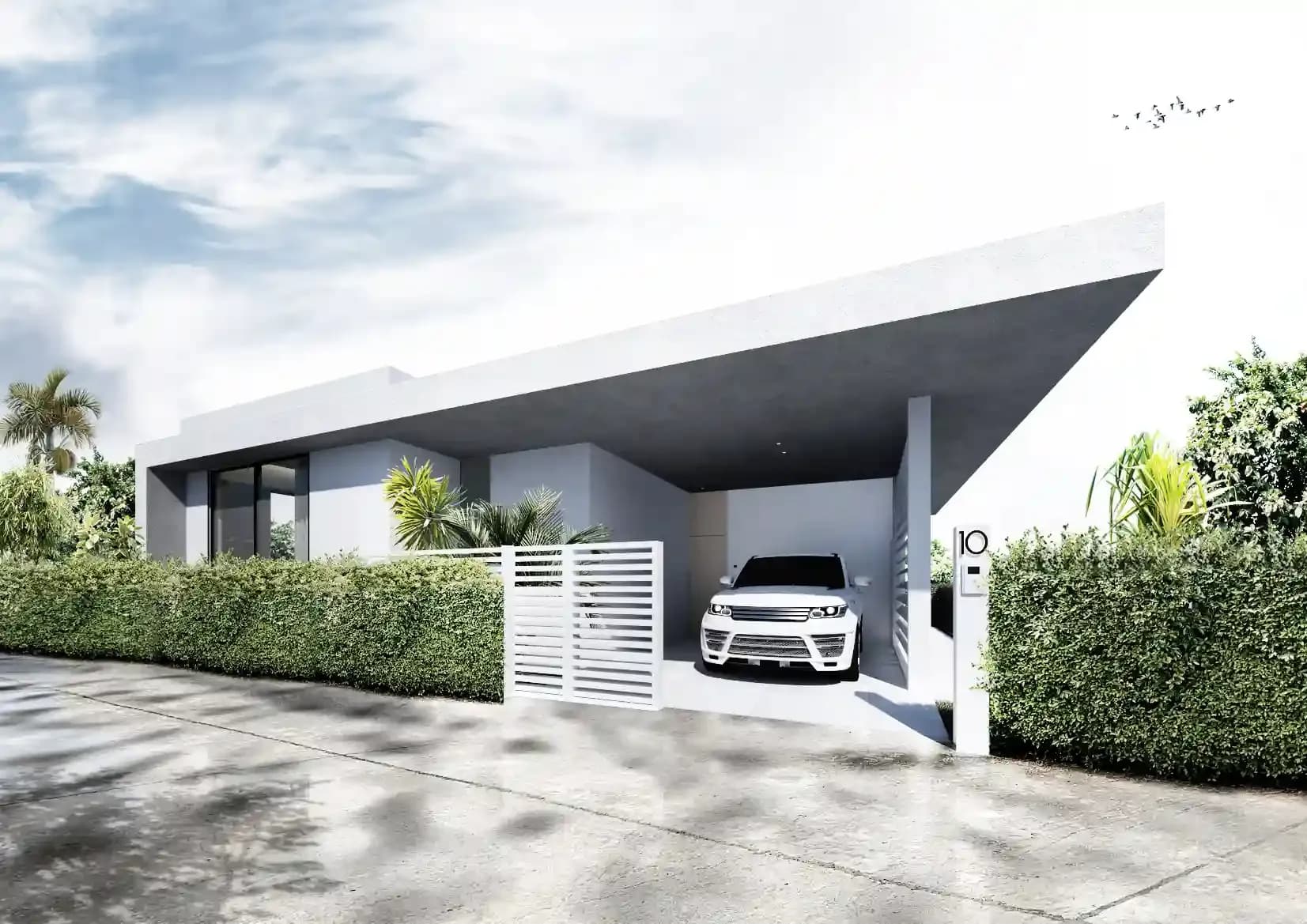
Photo: The Greens, Rawai, Phuket
The programmes compared
- Thailand Privilege: the easiest to get, no income requirement, but no right to work.
- LTR: the longest term and extra benefits, but high income and asset requirements.
- DTV: inexpensive and for 5 years, but limited to 180 days per entry and to remote work and approved purposes.
- Retirement: for 50+, requiring money in a Thai account or proven income and annual renewal.
Tax residency
If you spend 180 days or more a year in Thailand, you become a tax resident. This matters for rental income and foreign income you bring into the country. Talk to a tax adviser before relocating.
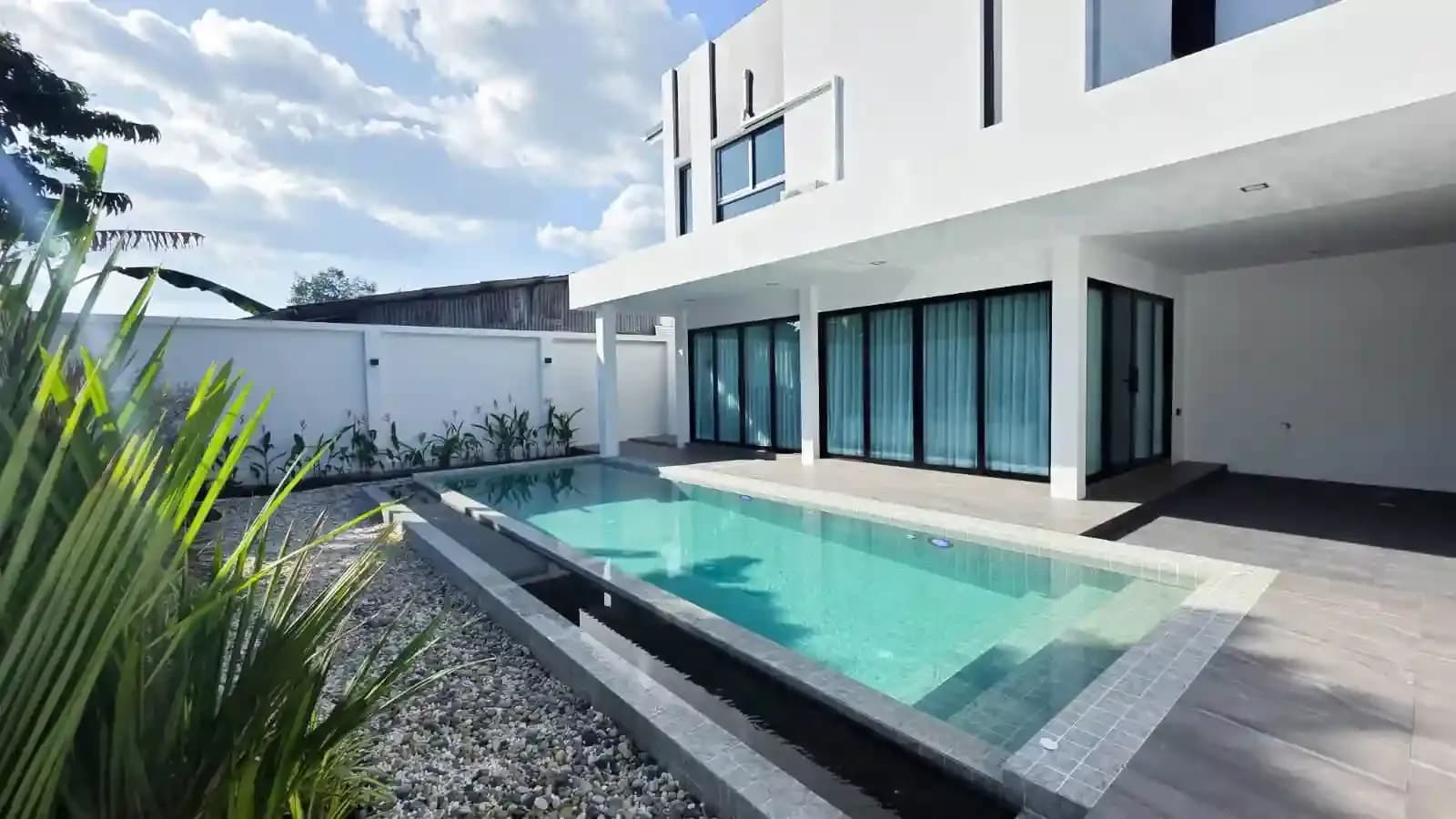
Photo: The Passion Residence @ Robinson Thalang, Bang Tao, Phuket
Family
Thailand Privilege lets you add family members, with special 2026 prices for family members on the higher tiers. Under the LTR and retirement visas a spouse and children are added as dependants. More on moving with children in Moving to Phuket with children.
Steps
- Decide how much of the year you will spend in Thailand.
- Choose a programme by age, income and purpose.
- Gather documents and apply through the consulate or the programme's official site.
- Choose your home in parallel: the purchase and the visa are independent.
Frequently asked questions
Does buying a condo give me a Thai visa?
No. Visas are issued separately under one of the programmes.
Does property count toward the LTR visa?
For the Wealthy Global Citizen category, investment in Thai property counts toward the required $500,000.
How much is Thailand Privilege?
From 650,000 baht for 5 years to 5 million baht for 20 years or more.
Can I work on a Thailand Privilege visa?
No, the programme does not give the right to work.
For general information only; programme terms change. Sources: ZEN Real Property, Thailand Elite Visas.
Updated