
Key points
- High season runs from November to April
- In the rainy season occupancy drops to 40–60%
- Plan income for the year, not the peak
Weather by month
- November–February: dry, moderate heat, calm sea. The best time to visit and the highest rental prices.
- March–April: the hottest months, with the sea still calm.
- May–October: the south-west monsoon, with short downpours mostly in the afternoon and usually clear mornings. Heaviest in September.
The sea in the rainy season
On the west coast, home to Patong, Kata, Karon and Bang Tao, monsoon waves reach 2–3 metres. Swimming on open beaches is dangerous, and ferries to nearby islands are often cancelled, especially June to September. Surfing is popular at this time.
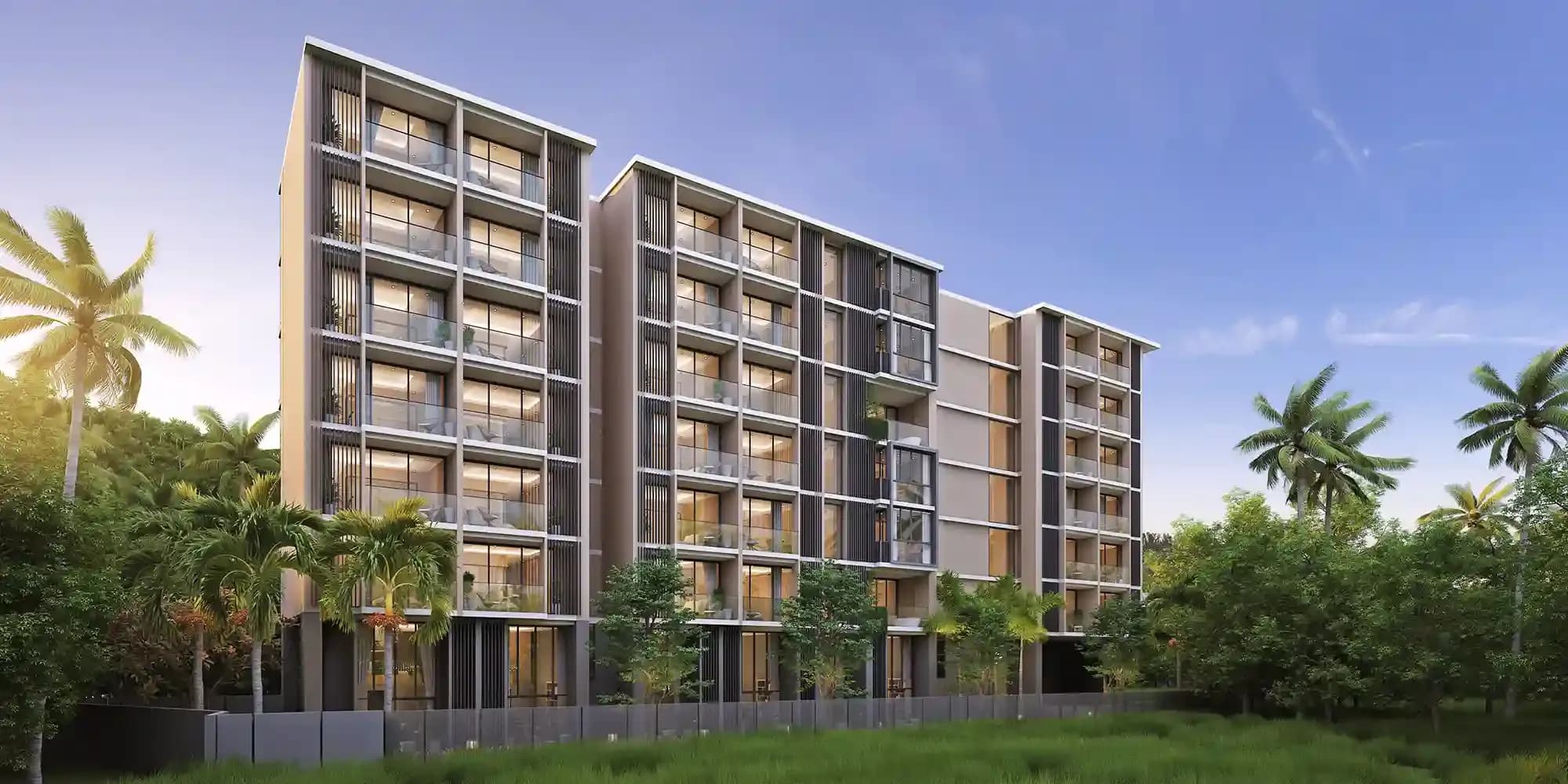
Photo: The Balance By The Beach, Kata, Phuket
How seasons affect rentals
- In high season nightly rates and occupancy peak: most of the annual income is earned here.
- In low season occupancy and prices are lower, but demand does not disappear: families come for school holidays, and surfers arrive.
- Long-term rentals depend less on the season: many people live on the island all year.
Planning your income
- Visit yourself in the low season so you do not take the most profitable weeks away from renters.
- Calculate yield over the year, not the peak month.
- Areas with permanent residents, such as Rawai, depend less on the season.
- For comparison: on Samui the rains fall October to mid-December, and summer is high season there.
More numbers in Phuket rental yields by area.
Months for renting and for yourself
- December–February: peak demand and prices; best let to guests.
- March–April: high demand, hot, good occupancy.
- May–June and October: shoulder season, lower prices, a good time to visit yourself.
- July–August: school holidays in Europe and Asia; family demand holds despite the rain.
- September: the wettest month and the lowest occupancy.

Photo: Mouana Breeze Maikhao, Mai Khao, Phuket
Areas and seasons
The west coast with its open beaches depends more on the season. The east coast and the south are sheltered from big monsoon waves, and Rawai and Chalong live year-round on permanent residents. More in Bang Tao or Rawai.
Your unit in the rainy season
- Check that windows and balcony doors seal before the monsoon.
- Run the air conditioning or a dehumidifier to prevent mould.
- Ask the manager to check the unit after heavy storms.
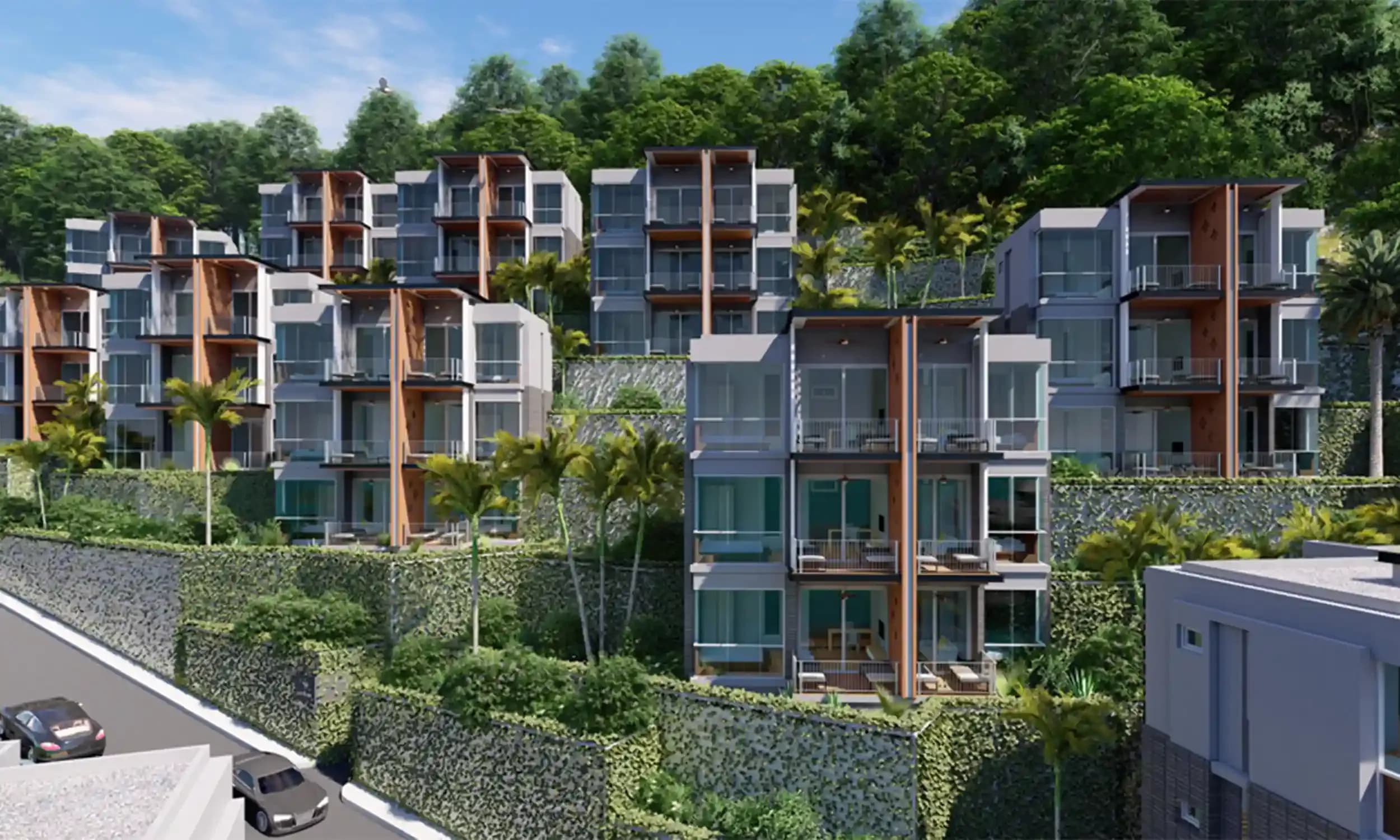
Photo: Beachfront Bliss, Nai Yang, Phuket
Seasons and purchase prices
The season hardly affects condo prices: developers adjust prices as construction and sales progress. But more buyers visit in high season, so the best units at launch sell faster.
Frequently asked questions
When is high season in Phuket?
Roughly from November to April.
When is the rainy season in Phuket?
From May to October, heaviest in September.
Do condos rent in the low season?
Yes, but occupancy is lower: about 40–60% against 80–90% in high season.
When should an owner visit Phuket?
In the shoulder season, May–June or October, so you do not take the most profitable weeks.
Updated