
Why Thailand
A stable currency, year-round tourism and long-stay visas. We break down the market and answer questions about risks honestly.
Why Thailand: a stable baht and growing demand
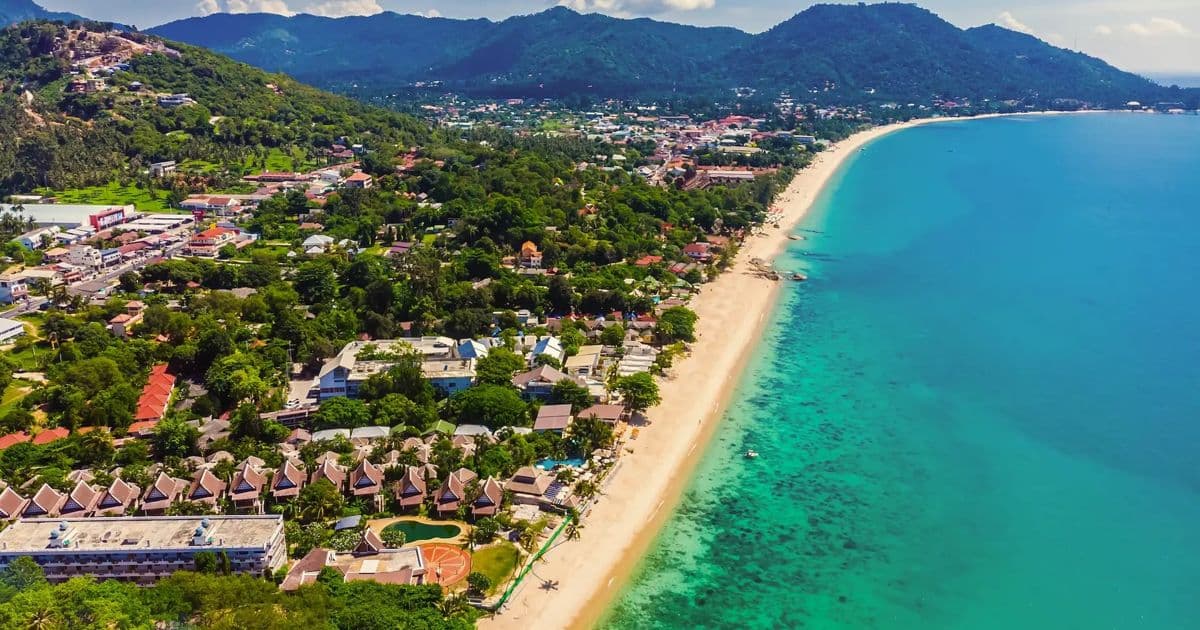
In Phuket, demand is driven by tourism and relocating families, while supply is limited by the island and height restrictions. Besides Phuket, we work in Pattaya and Bangkok.
baht-to-dollar change over 5 years
a year with inflation below 1%
foreign tourists a year
long-stay visas
We talk about risks before the deal
Your broker raises these questions at the first meeting. If yours isn’t here, ask, we’ll answer just as openly.
Risks
How good is construction quality in Thailand?
Developers vary. We work with companies whose completed projects we have inspected ourselves, and we assess post-completion management quality. Every building passes state acceptance, and the developer carries a warranty on the structure.
How secure is leasehold?
Leasehold is based on the British legal tradition. A leaseholder’s rights are comparable to an owner’s and limited in time: 30 years with two renewals, up to 90 years in total. The lease is registered at the Land Department just like freehold.
For an investor, leasehold means a lower entry price, lower costs on sale and a higher overall return. For long-term personal ownership we consider freehold.
Is the Phuket market overheated?
Demand grows with tourist flows, new flight routes and families relocating. Supply is limited by the island’s territory, scarce land plots and height restrictions.
Some locations are indeed overheated. We don’t recommend such properties and openly explain why.
How do you reduce the risk of delays or unfinished construction?
Projects showing signs of this risk don’t pass our selection. Instalments are tied to construction stages, and we favour projects where most of the payment is due at completion.
Completed property has its own risks: a deal with a private owner, legal title, hidden defects, wear. If a finished home matters to you, we’ll suggest projects at an advanced construction stage.
How liquid is the property on exit?
Liquidity is built into our selection criteria: views, a limited number of units, a branded management company, a reliable developer. The recommended holding period is 5–7 years.
We time sales to the season: demand peaks from November to March. We help resell properties bought with us.
Why are resale prices sometimes lower than the developer’s?
Resale prices depend on the year built, the management company and the sales strategy. Discounts usually come from urgent sales, weak marketing or hidden defects.
Developers raise prices as construction progresses, so a completed property can sell close to the current price list while you bought at a lower entry price. The conditions: a well-chosen project and a 5–7 year horizon.
How is tsunami risk taken into account?
We assess it when analysing a location: distance from the shoreline, terrain, monolithic structure. If needed, we’ll select properties inland or on higher ground.
Buying
Can a foreigner buy property in Thailand?
Yes. A condominium unit can be registered as full ownership (freehold) within the foreign quota. Villas are bought via a leasehold on the land with ownership of the building, or through a Thai company.
How much do your services cost?
Property selection, advice and transaction support are free for you. Our clients also get access to developers’ special offers.
Can I buy remotely?
Yes. The contract is signed remotely, and Land Department registration can be done by power of attorney. At the foundation stage, a video tour and a financial model tell you more than a site visit. Many clients come for the handover. If you plan a trip, we’ll arrange viewings of properties and areas.
Which taxes should I consider?
Purchase: transfer fee: 1.1% for leasehold, 6.3% for freehold. Ownership: Land & Building Tax: 0–0.3% a year. Rental: income tax: 15% for non-residents, 5–35% for residents. Sale: Specific Business Tax: 0% or 3.3% if held under 5 years; stamp duty: 0.1% for leasehold and 0.5% for freehold; income tax: 15% for non-residents, 5–35% for residents.
All of these are already built into the financial model.
What payment plans do developers offer?
An interest-free plan usually runs until completion: a 30% deposit, then the balance on the contract schedule, quarterly or every six months.
Extended plans run 3–5 years after completion: a 30–50% deposit with interest on the balance. Terms vary by project and the schedule is agreed individually.
Let’s discuss your goals
A broker will discuss your goal and budget and prepare a shortlist of 3–5 projects with a financial model for each. The consultation is free.
Or message us directly