

Key points
- Funds must come from abroad in foreign currency
- The transfer purpose must state the condo purchase
- The bank issues an FET, required for registration
Transfer requirements
- A transfer from abroad in foreign currency, not baht. Conversion happens in Thailand.
- The sender is the buyer, with the name as in the passport.
- Payment purpose: purchase of the condo with the unit number and project name, for example "For the purchase of Condominium Unit 1205 at [Project Name]".
- Recipient: the developer's account or your own Thai bank account.
The FET form
The Foreign Exchange Transaction form (FET) is the bank's confirmation that the money came from abroad in foreign currency. Banks issue it on request for large transfers, usually above $50,000. For smaller amounts the bank can issue a letter or credit note, which the Land Office also accepts.
If you pay the developer in instalments, you need confirmation for each payment. Ask the developer to collect documents for every transfer before registration.

Photo: Capri Residences, Bang Tao, Phuket
Why keep the FET
You will need the original FET when you sell: the bank uses it to allow the proceeds to be transferred back abroad. More in How to sell property in Thailand and repatriate the money.
Common mistakes
- Sending baht from abroad or paying from a local card.
- Payment from another person or a company.
- A blank or vague payment purpose.
- A total below the contract price.
Any of these can block registration under the foreign quota. Check the bank details and wording with the developer or a lawyer before the first payment.
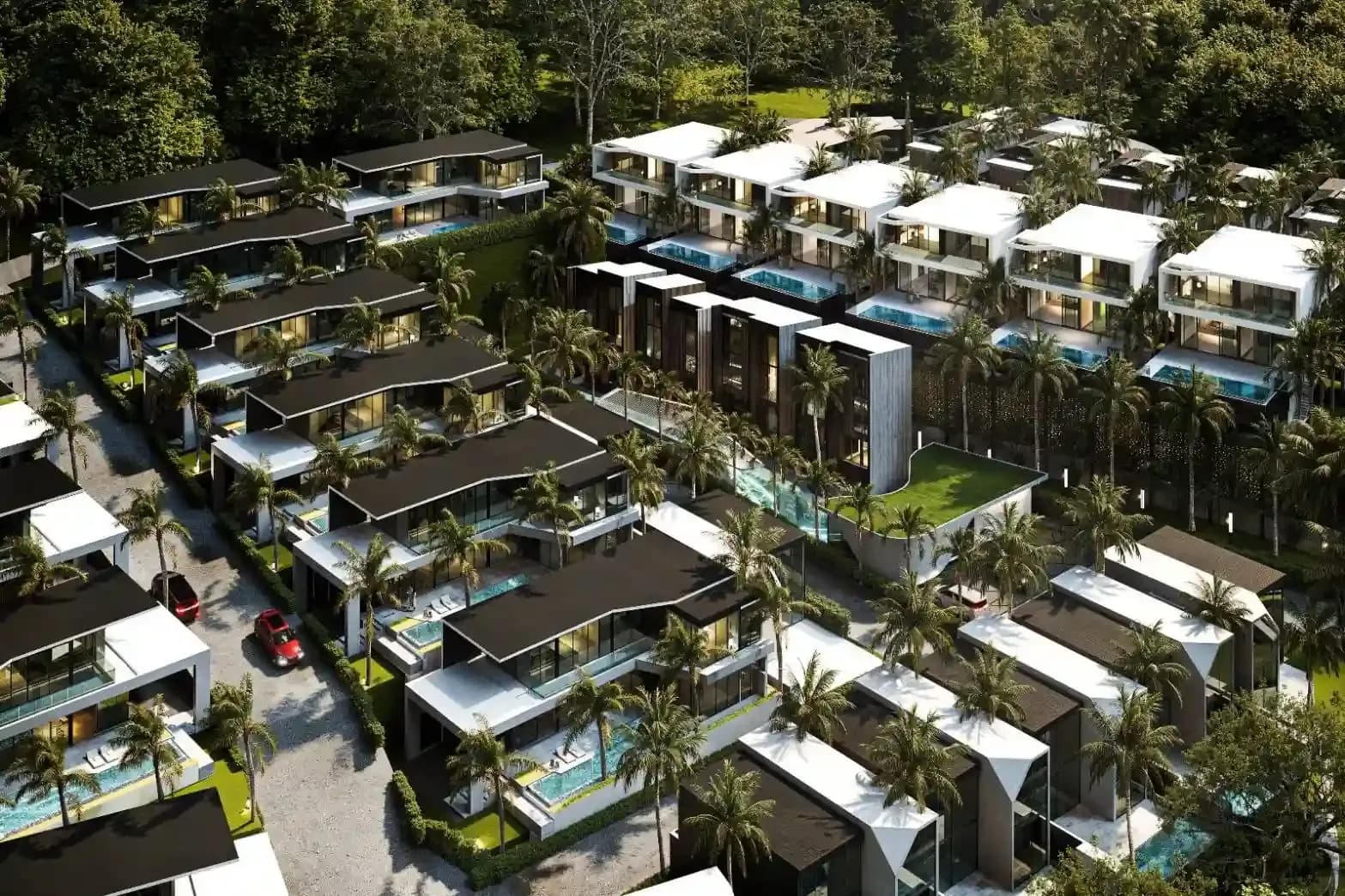
Photo: Aileen Villas Layan Phase 5, Layan, Phuket
Villas on leased land
For a land lease the rules on the origin of funds are softer, but a transfer from abroad with a clear purpose still makes the deal and a future sale easier.
We check bank details, payment purpose and documents on every deal. Contact us if you are preparing to pay.
Paying step by step
- Get the developer's bank details and the exact payment purpose wording.
- Send the payment in foreign currency from your own account abroad.
- Ask the developer to confirm receipt and request the FET or letter from the bank.
- Repeat for each instalment on the schedule.
- Before registration, check that the bank documents add up to at least the unit price.
Your own Thai bank account
Some buyers transfer money to their own account in Thailand and pay the developer from it. It is handy for regular instalments and running costs. Important: the money must arrive in the account from abroad in foreign currency, confirmed by the bank. Opening an account without a long-stay visa is not always easy; it depends on the bank.
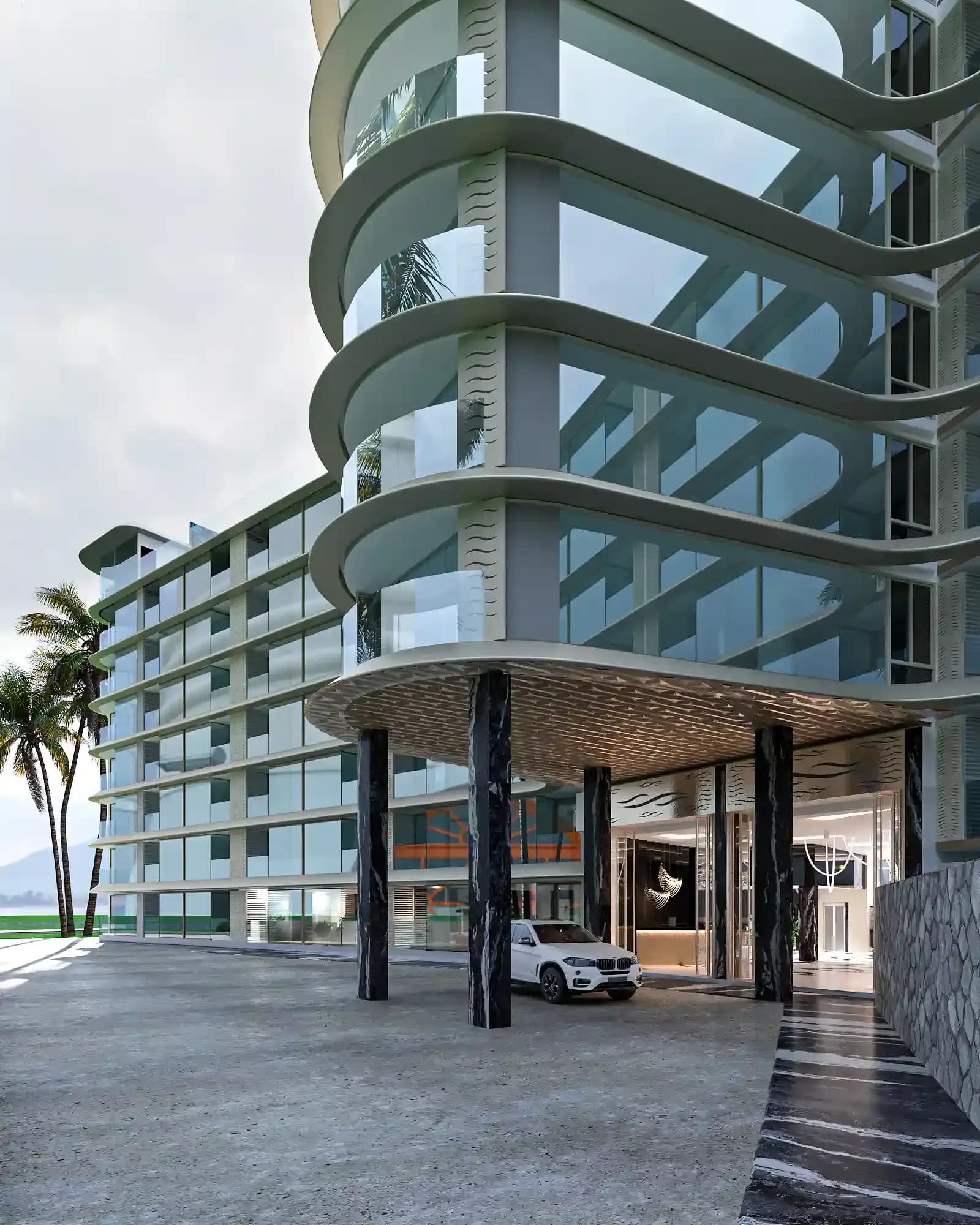
Photo: Andaman Riviera, Bang Tao, Phuket
Exchange rates and fees
Currency is converted into baht by the Thai bank at its rate. Compare rates and fees at the sending and receiving banks: on a large sum the difference can be noticeable. Factor in exchange-rate swings if you pay in instalments over several years.
Running cost payments
After purchase, the common-area fee and utilities are easiest to pay from a Thai account. The origin-of-funds rules for these payments are not as strict as for the purchase.
Frequently asked questions
Can I pay for a Thai condo in cash?
Not for freehold under the foreign quota: you need a transfer from abroad in foreign currency.
Do I need an FET for every payment?
Yes, if you pay in instalments: each transfer needs a confirmation.
Can I pay from someone else's account?
Better not: the sender's name should match the buyer.
Can I pay instalments from different countries?
Yes, as long as each transfer comes from the buyer's account in foreign currency and is confirmed by the bank.
For general information only, not financial advice. Sources: PropertyScout, SENA.
Updated


