Key points
- Retirement visas start at age 50; you cannot work on them
- Core requirement: 800,000 baht in a Thai bank or 65,000 baht a month in income
- Property alone gives no visa; for LTR, property investment counts
Four routes
- Non-O with an extension: enter on a Non-O visa, then extend for a year at an immigration office in Thailand. The most common route.
- O-A: a one-year retirement visa applied for in advance at the consulate in your home country. Health insurance required.
- O-X: a 10-year visa (5 + 5) for nationals of a limited list of countries, with higher financial requirements.
- LTR, Wealthy Pensioner: 10 years for well-off retirees with passive income, plus tax benefits.
Money: how much you need
For the Non-O extension and the O-A, the rule is the same: one of three options.
- Deposit: at least 800,000 baht in a Thai bank account.
- Income: a pension or other regular income of at least 65,000 baht a month.
- Combination: deposit plus annual income totalling at least 800,000 baht.
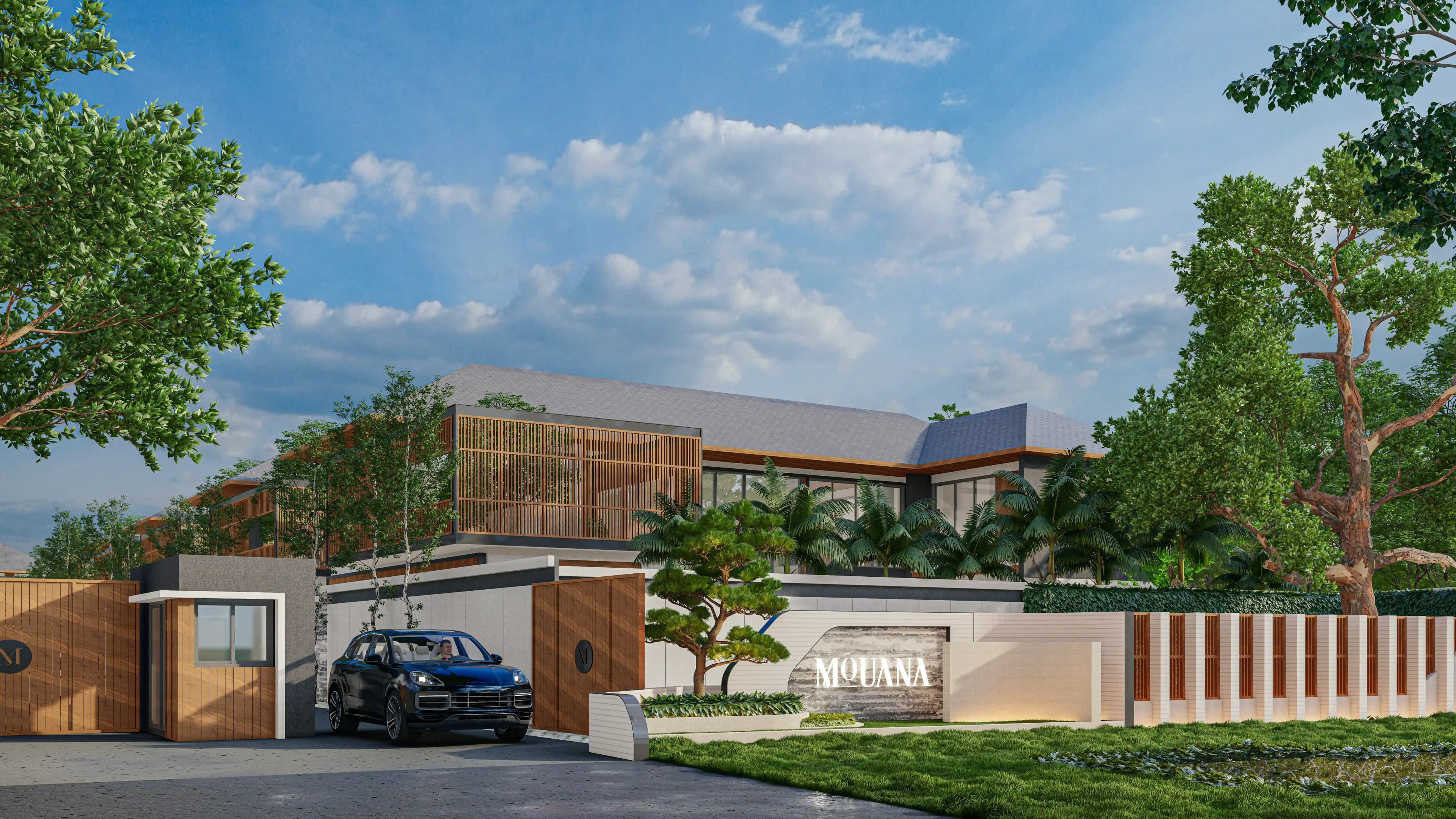
Photo: Mouana Grande Chalong Bay, Karon, Phuket
Health insurance
- O-A: cover of at least 3,000,000 baht (or $100,000) per year.
- O-X: generally 400,000 baht inpatient and 40,000 baht outpatient, though some consulates now ask for 3,000,000 baht.
- Non-O extension: no separate insurance requirement, but private treatment is expensive without it.
- LTR: $50,000 cover, or home-country social security, or $100,000 held in an account.
LTR for retirees and where property comes in
The Wealthy Pensioner category of the LTR programme is for retirees aged 50+ with passive income of at least $80,000 a year. With income between $40,000 and $80,000 you also need to invest at least $250,000 in Thai government bonds, a Thai company or Thai property. It is the only retirement route where the condo or villa you buy directly helps you qualify.
The LTR visa is issued for 10 years, the government fee is about 50,000 baht, and the Board of Investment (BOI) approves the application first. For retirees it also brings a tax benefit on foreign income.
How to apply: steps
- Decide how much of the year you will spend in Thailand and whether you meet the financial requirements.
- For O-A and O-X, prepare documents for your home consulate: proof of funds, insurance, a police certificate and a medical certificate.
- For the Non-O extension, enter on a Non-O visa, open a Thai bank account and deposit the money in advance.
- Report your address every 90 days (online is possible) and renew yearly at the immigration office.
- Buy your home in parallel: the visa and the purchase are independent.

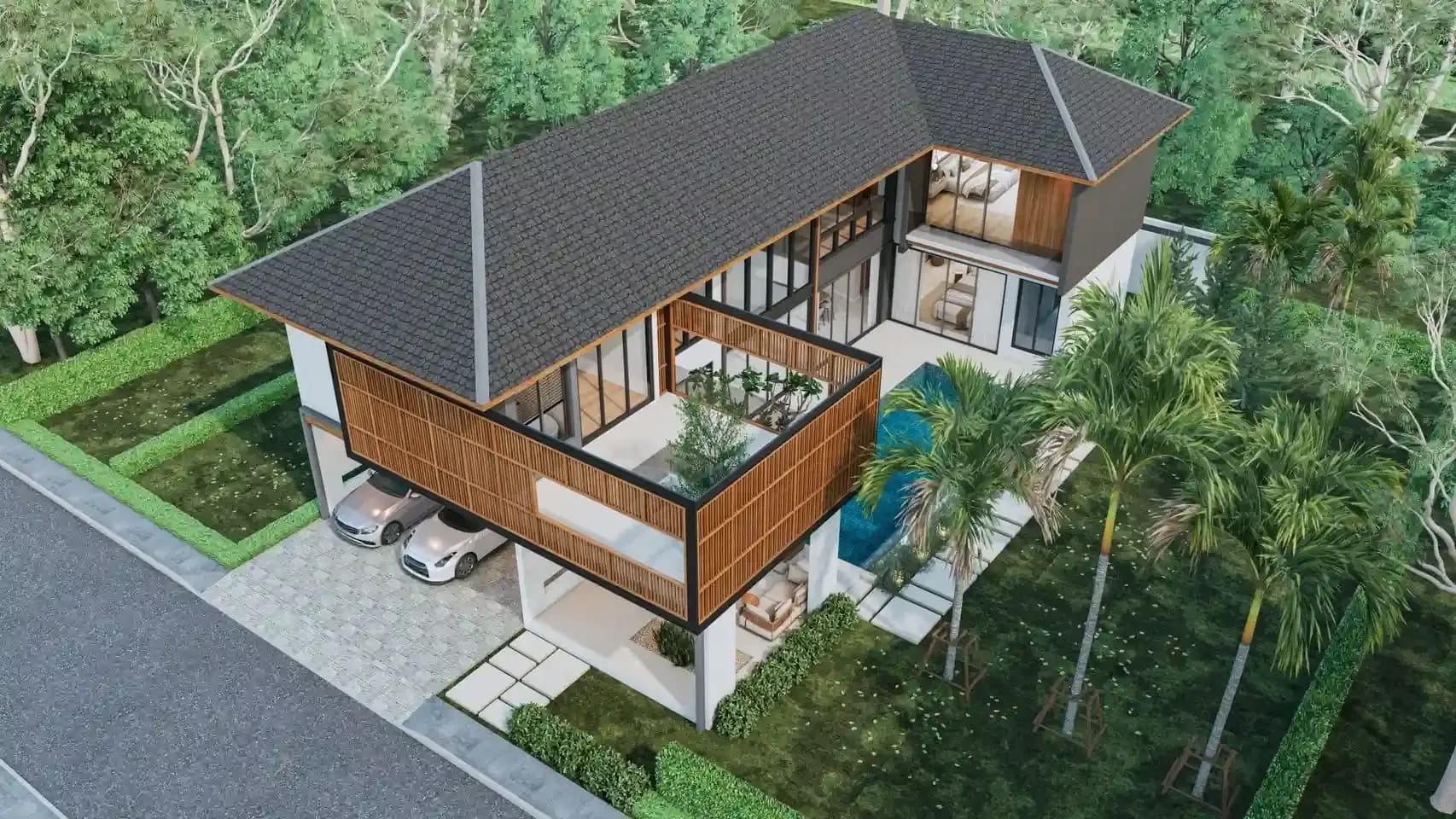
Photo: Hightone Seaview Villas & Garden, Karon, Phuket
Where retirees live in Phuket
Retirees usually pick the south of the island (Rawai, Nai Harn, Chalong) or Bang Tao: markets, clinics, an expat community and life all year round. Compare areas in the Phuket guide; other visa routes are covered in Thailand visa options for property owners, and a monthly budget in Cost of living in Phuket.
Frequently asked questions
Does buying a condo give me a retirement visa?
No. The visa is separate. Property counts only for LTR Wealthy Pensioner when your income is below $80,000 a year.
Can I work on a retirement visa?
No. Retirement visas do not allow work in Thailand.
What is the minimum age?
50 for the Non-O, O-A, O-X and LTR Wealthy Pensioner.
Can I rent out my condo while on a retirement visa?
Renting through a management company is fine; that is passive income. Running a rental business yourself without a work permit is not allowed, and the income must be declared.
For general information only; programme terms and consulate requirements change. Check the current rules with the consulate before applying. Sources: Thaiger: insurance for retirees, Wego: O-A and LTR, BOI: LTR.
Updated