
Key points
- Dubai is simpler on ownership and property visas
- Thailand is cheaper to enter
- Yields are similar: about 5–7% gross
Ownership
- Dubai: in more than 60 freehold zones a foreigner can own a flat or villa outright, with no residency or local partner.
- Thailand: a condo unit freehold within the 49% quota; a villa through a 30-year land lease.
Purchase costs
- Dubai: a 4% Land Department fee plus commissions, about 7–8% on top of the price in total.
- Thailand: the buyer of a new condo usually pays about 1% of the price. Details in Taxes and fees when buying.
Holding costs and taxes
- Dubai: no annual property tax or income tax on rent, but service charges and a 5% municipal fee on rent.
- Thailand: land and building tax of 0.02% for your own home and 0.3% if rented out, plus the common-area fee.
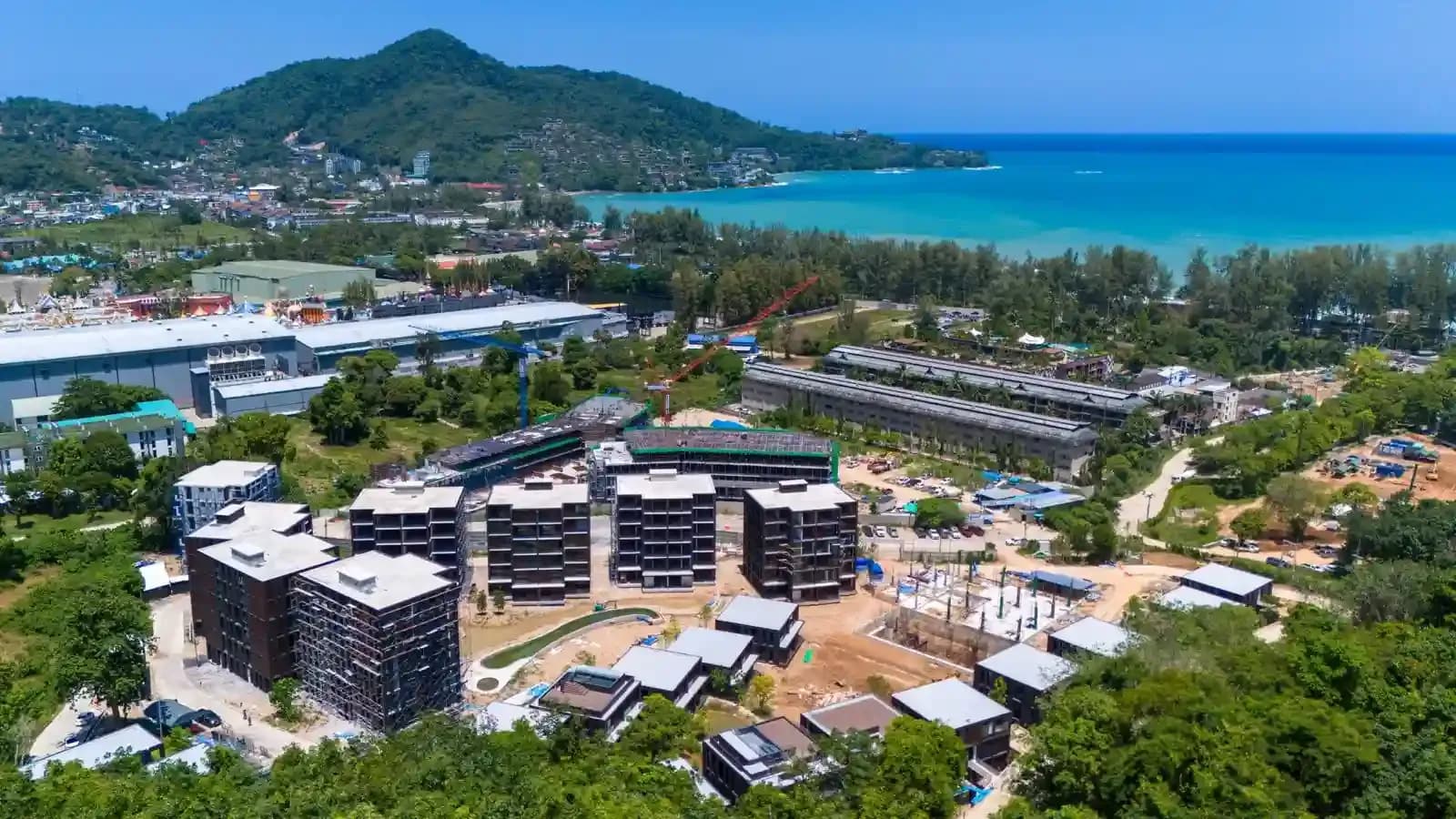
Photo: MGallery Residences, MontAzure, Kamala, Phuket
Yields
Dubai agencies put the average gross yield at about 6.5–7%, up to 8–10% in mass-market areas and 5–6% on the Palm. In Thailand, Global Property Guide puts the average gross yield at 6.49% in early 2026, about 5% in Phuket and over 6% for one-bedroom units.
Visas
- Dubai: buying property worth AED 2 million or more gives a ten-year Golden Visa.
- Thailand: buying a home does not give a visa by itself. There are separate programmes: Thailand Privilege, LTR, the retirement visa. Details in Visa options for property owners.
Entry price
In Thailand a seaside condo starts from 3–4 million baht, about $100,000. In Phuket the median starting price for a condo in our catalogue is about 5.2 million baht.
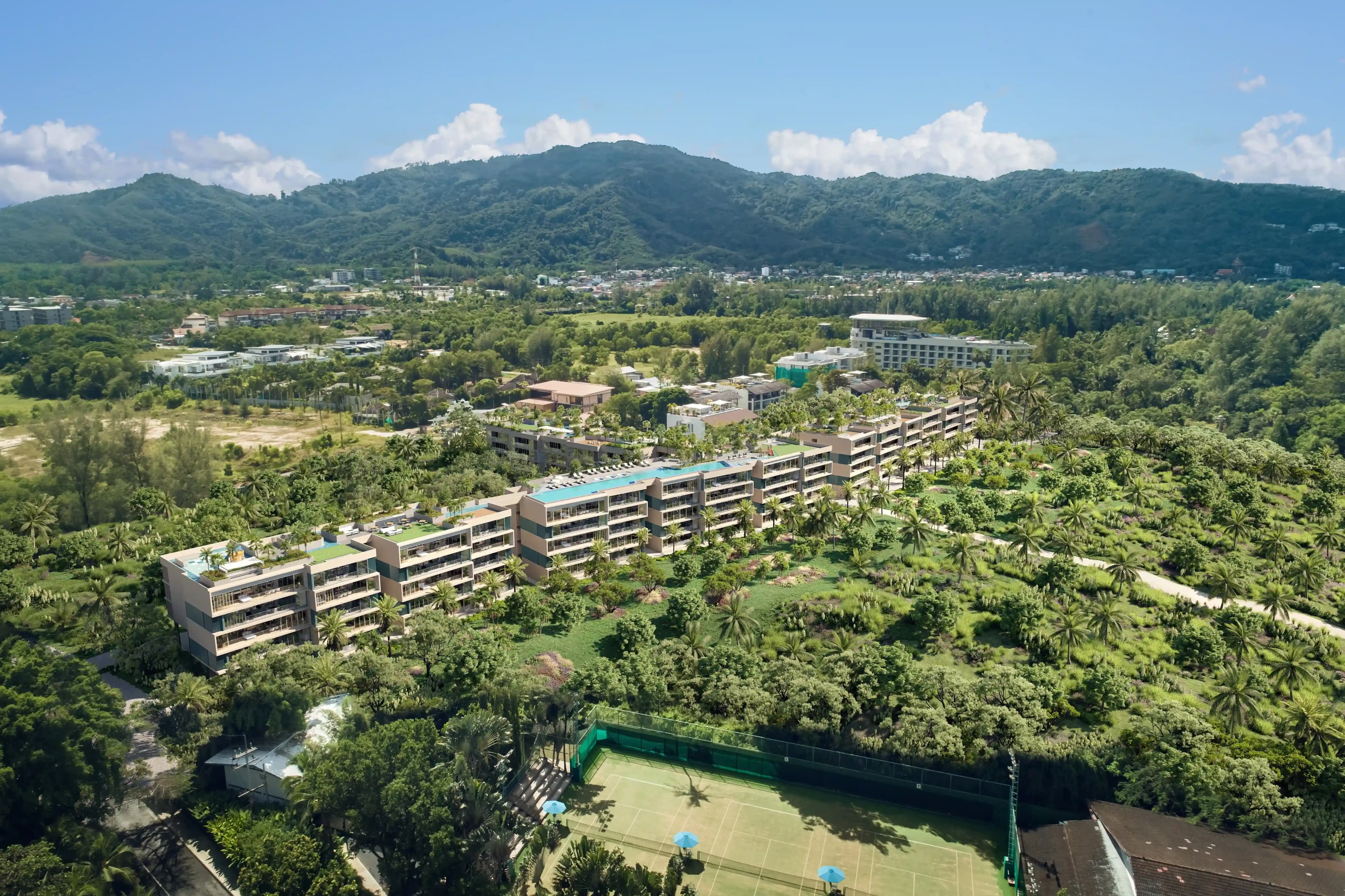
Photo: Laguna Reef (Beachside), Bang Tao, Phuket
Lifestyle
Dubai: a megacity, business environment and hot summers. Thailand: islands, sea, nature and a lower cost of living. Many investors hold property in both: Dubai for the visa and business, Thailand for holidays and rentals.
Market and risks
- Dubai: a large volume of new builds, fast cycles of price growth and correction, and strong competition among rental units in mass-market areas.
- Thailand: a smaller, calmer market; after the 2024 peak fewer new projects are launching in Phuket and the average condo price is broadly flat. More in Phuket property prices.
Buying off-plan
Off-plan with payment plans is popular in both. In Dubai about 10% is typically paid at reservation, then the developer's schedule. In Thailand a reservation and 20–30% at contract, with the rest in instalments to handover. More in Mortgages and payment plans in Thailand.

Photo: The Ritz-Carlton Residences At MahaNakhon, Chong Nonsi BTS, Bangkok
Compared by scenario
- You need residency through purchase: Dubai.
- A seaside home for wintering and rentals: Thailand.
- The lowest entry: Thailand, seaside condos from 3–4 million baht.
- Diversification: both markets, as they depend on different tenant and tourist groups.
Costs when reselling
In Thailand the seller pays 3.3% business tax if held under five years or 0.5% stamp duty after, plus withholding tax. Dubai has no capital gains tax for individuals, but there are registration fees on the sale. More in How to sell property in Thailand.
Frequently asked questions
Where are yields higher: Thailand or Dubai?
Comparable: about 5–7% gross in both. Much depends on the area and management.
Does buying in Thailand give a visa like in Dubai?
No. In Thailand visas come through separate programmes.
Where is it cheaper to enter?
Thailand: a seaside condo from 3–4 million baht.
Is there a property tax in Thailand?
Yes, land and building tax: 0.02% for your own home and 0.3% if rented out.
For general information only. Sources: Provident Estate, Engel & Völkers, Global Property Guide.
Updated


